Please allow up to one month to receive your Occupational Therapy Report.
This starts once all the assessment sessions have been completed and all forms have been received.
If a report is required before a certain date, this needs to be clearly communicated and agreed first with the service.
All reports are written in a friendly, positive and supportive manner and will address the main reason for your referral. In particular it can be used as evidence for the following reasons:
It provides a snapshot in time of your child’s strengths, challenges and areas for development.
Offers valuable information towards a potential diagnosis.
Helps to inform an EHCP process (Education, Health and Care Plan).
Advice for Access Arrangements in examinations.
Recommendation to signpost to further specialist services to carry out their assessments.
Provides advice for activities to increase skills and development.
Occupational Therapy Assessments
The service has standardised assessments covering young children and adolescents from around the age of 5 to 21 years.
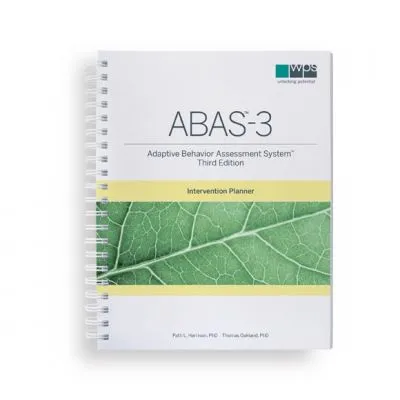
ABAS-3: The Adaptive Behavior Assessment System
This provides a detailed snapshot of the following areas:
Communication
Functional Academics
Self-Direction
Leisure
Social
Community Use
School Living
Home Living
Health and Safety
Self-Care
Motor Skills
Work
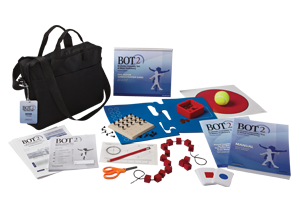
Bruininks-Oseretsky Test of Motor Proficiency (BOT-3)
Motor co-ordination activities for both fine and gross motor skills:
Fine Motor Precision
Fine Motor Integration
Manual Dexterity
Upper-Limb Coordination
Bilateral Coordination
Balance
Running Speed
Agility and Strength
It provides valuable evidence towards a diagnosis of Developmental Coordination Disorder/Dyspraxia.
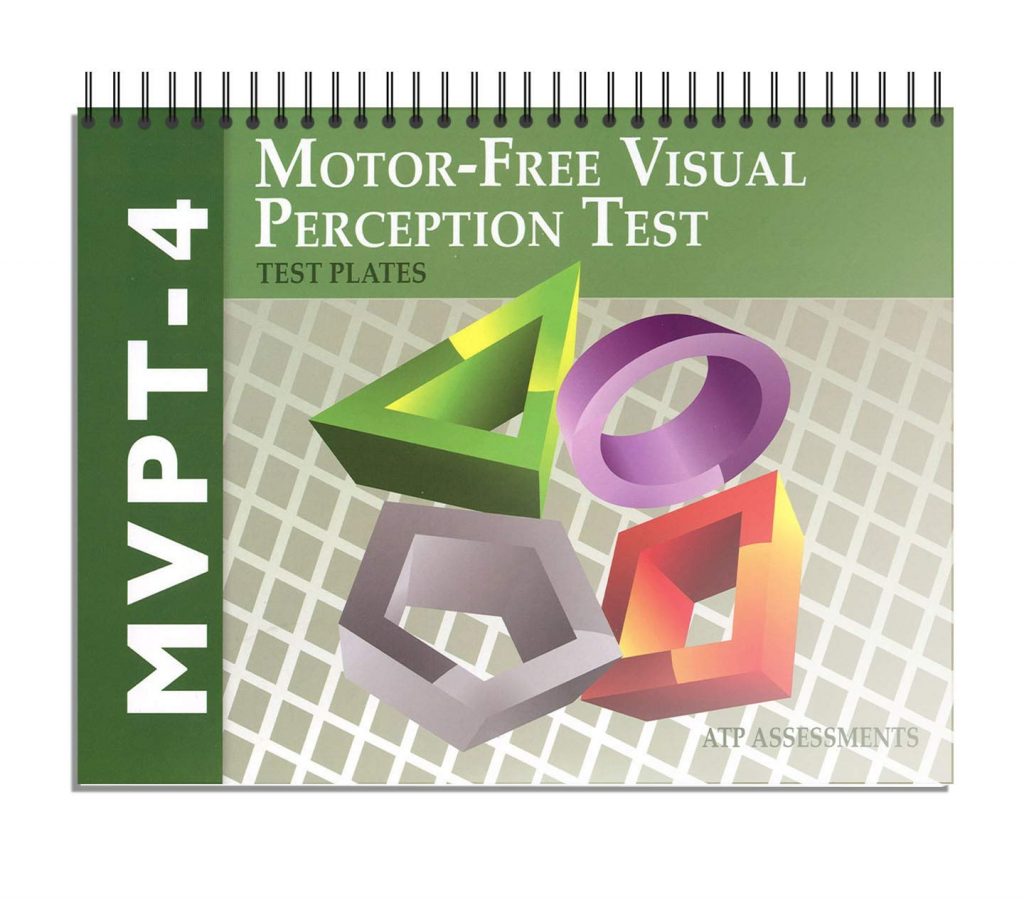
Motor-Free Visual Perception Test (MVPT-4)
This looks in particular at the five areas of Visual-Perceptual abilities:
Spatial Relationships
Visual Discrimination
Figure-Ground
Visual Closure
Visual Memory
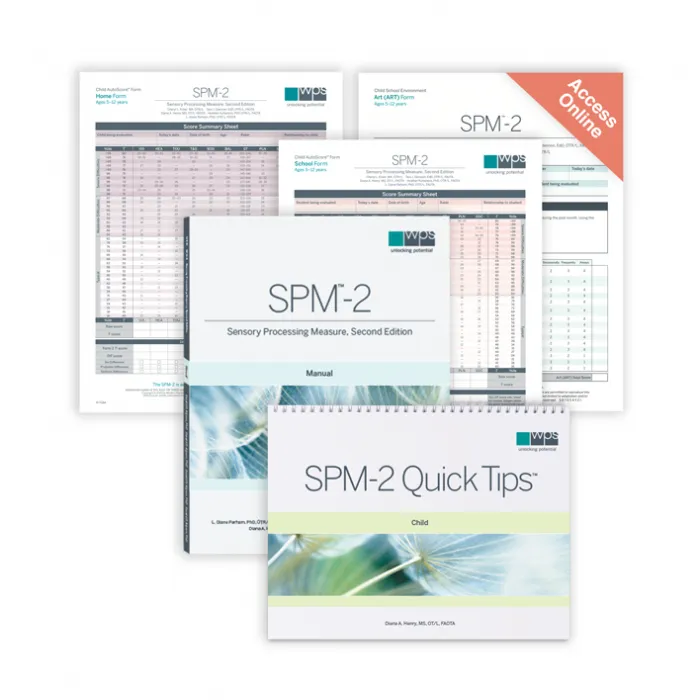
The Sensory Processing Measure (SPM-2)
It provides an understanding of how someone is processing sensory information from the home and school environments.
Handwriting and Typing Skills
This is assessed through a variety of activities looking at letter formation, copying text, speed of writing and putting ideas down onto paper.
There is an opportunity to compare handwriting with typing skills and to make recommendations for school work.
It can provide valuable evidence towards a diagnosis of Dysgraphia.
What happens after your Occupational Therapy Report?
Depending on the outcome of your report, you may be given an online ‘Therapy Folder’ with resources, or there may be a recommendation for one-to-one sessions.
You are welcome to take your report to any Occupational Therapy service with capacity to complete these intervention sessions.
Typical goals this service has helped children and adolescents with: